Depending on the underlying cause, treatment can help reverse congestive heart failure, and medications are available to help relieve its symptoms. According to hills pet, congestive heart failure (chf) occurs when a dog’s heart is incapable of supplying blood to the rest of his or her body.
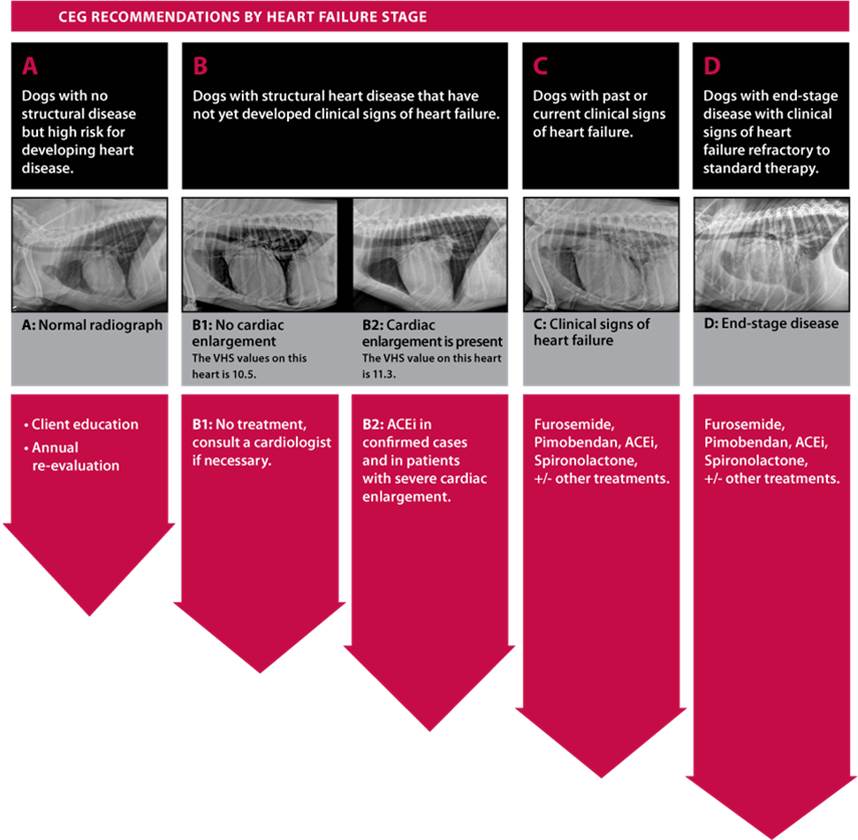
Canine Heart Disease Stages Cardiovascular Disease
While there are four stages to classify dogs with heart disease, the last two refer specifically to stages of dogs in congestive heart failure.
Final stage of heart failure in dog. Several recent studies have shown that not all dogs with advanced heart failure (heart failure that recurred even after proper care) lived well over one year (3) without changes in their treatment. You’re more likely to feel tired all of the time with advanced heart failure. Diarrhea and stool issues are present in some end stage hf dogs and are in general poorly tolerated by clients.
As the congestive heart failure progresses, symptoms become a little more obvious. Their symptoms are often severe at this point. Chf is in its final stage.
Heart failure can make you feel worn out. A dog may be managed with stage c heart failure if they are receiving proper treatment, but they will lose their battle to the condition at some point. Fluid can accumulate in various parts of the body, causing swollen legs or belly, making it difficult to walk.
Chf is often a broadly used term in veterinary medicine, due to the many illnesses that may contribute to a. The final stages of heart failure in dogs are a bit more clear than in cats. When it happens, the required blood we need to be pumped every day won’t be met which can result to increase of pressure and fluids that may leak out in the lungs or everywhere in their body.
Essentially, the blood is causing the pup to drown in his own fluids, which can be agonizing. Things that wouldn’t have tired you out in the past suddenly do. You’ll notice your dog has trouble breathing, even during rest, and edema becomes very apparent.
Breathing becomes difficult even when at rest. As he reaches the end stages of chf, your dog will go from having little interest in exercise to none at all and may refuse to move any more than is absolutely necessary. Is dying of congestive heart failure painful?
While every situation varies, you can often expect a list of common complications in end stage heart failure in dogs. A dog may be managed with stage c heart failure if they are receiving proper treatment, but they will lose their battle to the condition at some point. This is the final stage of chf, where your dog might find breathing hard even while resting.
It may be time to euthanize your dog with heart failure if they are experiencing any of the following symptoms: This is the final stage of chf. Difficulty breathing / shortness of breath.
According to the american college of veterinary internal medicine classification, these are stages c and d. In some dogs, abdominal swelling becomes apparent. Congestive heart failure in dogs occurs when the heart is unable to pump an adequate amount of blood to the body, thus causing an increase in pressure and fluid that eventually leaks into the lungs and, less frequently, other major organs.
· when referring to the end stages of heart failure in dogs, veterinarians are typically referring to stages c and d, a dog may be managed with stage c heart failure if they are receiving proper treatment, but they will lose their battle to the condition at some point, sentences : Coughing and wheezing following activity occur, as well as weight loss and lack of appetite. The prognosis of dogs with congestive heart failure a 2018.
🐶 what are the stages of congestive heart failure in dogs? In 2009, the acvim produced a staging system for canine mitral valve disease, and these stages will now be reviewed in turn.1 it […] What are the last stages of congestive heart failure in dogs?
As pressure builds on the lungs, fluid begins developing. Heart failure refers to a clinical syndrome of symptoms and signs caused by impairment of the heart so, if there are no clinical signs, then the dog does not have heart failure. Their symptoms are often severe at this point.
A dog with congestive heart failure may cough, have trouble breathing, experience fatigue, loss of appetite, or might die suddenly. Suggestions based on the authors' experience were discussed in preceding sections and the proceedings of the previous talk entitled canine heart failure management: When referring to the end stages of heart failure in dogs, veterinarians are typically referring to stages c and d.
You'll notice him sleeping more too. What are the last stages of congestive heart failure in dogs? How long do dogs live after being diagnosed with congestive heart failure?
It can even cause vomiting. Eventually, your dog may lose interest in these activities altogether as they become increasingly difficult for him. Advancing congestive heart failure in dogs.
It leads to the dog having a hard time breathing and a lot of coughing. Degenerative mitral valve disease (dmvd) or chronic valvular disease is the most common canine acquired heart disease in dogs, and often leads to congestive heart failure.1 although other classification systems have been used to stratify the severity of disease, the 2009 acvim consensus statement on the diagnosis and treatment of dmvd provided a new system. You’ll notice your dog has trouble breathing, even during rest, and edema becomes very apparent.
To start off, a congestive heart failure in dogs is a condition in which the dog’s heart is having problems pumping blood. Those who are looking for an answer to the question «what are the end stages of congestive heart failure in dogs?» often ask the following questions: When referring to the end stages of heart failure in dogs, veterinarians are typically referring to stages c and d.
While the reasons for this increase are unclear, it could partly be due to the overall increase in the longevity of dogs, since the disease is most often seen in older pets. If you notice some of these symptoms in your loved one, we recommend contacting their primary care physician and/or hospice care provider immediately:
Symptoms of End Stage Lung Cancer in Dogs Dog Discoveries
As the disease progresses, the symptoms intensify and the need for medical attention increases overnight.

End stage lung cancer symptoms in dogs. Frequent coughing or coughing up fluid/blood; At this stage, the tumor can be removed through surgery. The clinical signs are indicative of the lung cancer stage a dog is in, and these stages are… early stage;
The end of life stage can be very hard on everyone. Speaking from experience with dogs, if the toe is painful it should be removed. Symptoms of lung cancer in dogs include difficulty breathing, weight loss, and lethargy.
Other signs 
of tumours (benign or cancerous) affecting internal organs can include: Having said that, with a dog it would bring up issues of weight bearing digits being removed, but to me pain would be worse than an adjusted gait. Molly earned a ba from tufts university, and after a career in bookselling and book publishing attended the swedish institute to become a licensed massage therapist in new york state.
What symptoms will manifest depends on the type of lung cancer your dog has developed and where exactly it may have spread to. Like any weighty decision, sometimes the emotions involved can paralyze our ability to choose. Symptoms of lung cancer in dogs usually there are no symptoms in the early stages of canine lung cancer.
She has been supporting readers of this blog since the beginning. The dog may cough up blood, but not mucus. Over the last 20 years vets have noticed an increase in the number of dogs diagnosed with lung cancer.
Dogs with stage v lymphoma have systemic involvement of blood, central nervous system and bone marrow. Signs and symptoms of lung cancer in dogs. Symptoms of lung cancer (adenocarcinoma) in dogs.
A study of 200 cancer patients revealed that noisy breathing, pain and urinary dysfunction were the most frequent symptoms during the last 48 hours of life. The signs that can alert a dog owner differ from animal to animal. Symptoms of lung cancer in dogs.
A sore that won't heal should also be investigated. It may be time to put down your dog with lung cancer if they are experiencing any of the below signs: These metastasized cells form tumors that may not respond to treatment or surgery.
When lung cancer is caught early, you may not notice any symptoms at all. However, some dogs may not present any symptoms at all. The most common symptoms of advanced, late stage lung cancer include weight loss, pain in bones, constipation, early satiety, dyspnea, lack of energy, fatigue, weakness and anorexia, according to a 2000 article published in the journal supportive care in cancer.
Persistent cough and shortness of breath; Each of these types of cancer can cause an array of symptoms. The life expectancy and prognosis of a dog with lung cancer depend on.
The figures even show that almost 25% of dogs show no symptoms. According to the national cancer institute, during the final stages of lung cancer, a patient suffers myoclonus, dyspnea, fatigue, cough, rattle, delirium and fever. There are many symptoms that are general in nature, such as weakness and loss of appetite, so it is sometimes difficult to know when your dog is really ill enough for a trip to the veterinarian’s office.
Stage iv cancer is marked by a large number of abnormal cells that have progressed beyond the area of origin, such as breast cancer entering the bones or lungs. Check your dog for other warning signs such as enlarged lymph nodes, unusual lumps and bumps on the body, coughing or shortness of breath, pale gums and persistent open wounds. I am so sorry about this.
You should certainly take your dog to the vet if you have discovered a lump on the surface of the skin, but not all surface lumps are cancers. You may only notice a bit of weight loss or low energy levels. The dog is not coughing up mucus) although the cough may produce small amounts of phlegm or blood.
Familiarizing yourself with different possible canine cancer symptoms may help you identify the problem at its earlier stage. These symptoms are usually why a concerned owner brings their dog to the vet. Depending on the type of cancer, the symptoms can range from digestive problems to skin ulcerations, seizures, and more.
Surgery and radiation therapy are the most effective treatments for lung cancer in dogs. S ymptoms of cancer in dogs can be indistinct and varied. Labored breathing that impacts their daily life;
I am assuming that with the amputation of a toe, they had plenty of room to get a clean margin. Vomiting, diarrhea, lethargy, reclusive behavior, hair loss, increased urination and increased or decreased thirst can appear during the early stages of cancer. New or fast growing masses on the body;
Accumulation of mucus in the throat The dog will present symptoms such as chronic coughing and lack of appetite. To help you make an informed decision on putting your dog to sleep, let us discuss the signs of end stage lung cancer in dogs.
The other 75%, however, present fairly classic symptoms with.