This study provides the first clinical. All dogs, from puppyhood through adulthood, should be vaccinated appropriately with the dhpp vaccine.

Dog Owner's Guide to DHLPP & DHPP Vaccination (DISTEMPER
The avma recommends vaccinating dogs older than 3 with the dhpp booster shot every three years after age 3.
Dhlpp vaccine dogs. Each letter in da2pp or dhpp stands for one of the diseases covered in the vaccine. It was and still is commonly called “the distemper vaccine,” since the “d” in dhlpp stands for distemper, a common name for the canine virus properly called paramyxovirus. Canine parvo is contagious, and can cause severe vomiting and bloody diarrhea.
Da2pp vaccines are modified live vaccines (mlv). This shot protects your dog against five serious, often deadly, diseases, and even dogs that stay home all the time should be vaccinated. Puppies need a booster 1 year after completing the initial series, then all dogs need a booster every 3 years or more often.
This occurs because the dog’s immune. Like rabies, after the first year, the distemper/parvo combination vaccine can be given every three years. All dogs over 12 weeks of age should initially receive one dose of duramune max 5/4l and a second dose 2 to 3 weeks later.
According to vetinfo, the dhlpp vaccine is a vaccine that protects a dog from distemper, hepatitis, leptospirosis, parvovirus and parainfluenza. The dhlpp vaccine can spare your pet a great deal of suffering, and at the same time can protect you from huge, unexpected vet bills. Top best answers to the question «what is dhlpp booster for dogs».
Store in the dark at 2° to 7°c (35° to 45°f). At least 3 doses, given between 6 and 16 weeks of age. Your puppy’s breeder may even have given him the vaccine once or twice before you got him.
Canine distemper vaccination is the most typical reason for neurologic disease and can cause an inflammation of the brain. Annual revaccination with one dose is recommended. Dhlpp dhlpp, bordetella * (bordatella to be given beginning at eight (8) weeks of age.) dhlpp, bordetella, rabies * *it is recommended that dogs be dewormed at the same intervals
Years ago, the dhlpp vaccine was given annually to all dogs. The dhlpp vaccine will protect your pet dog from liver disease, parainfluenza, parvovirus, distemper, and leptospirosis. The dhpp vaccine protects against a number of severe viral illnesses in dogs, including distemper, adenovirus, parainfluenza, and parvovirus.some of these diseases were associated with significant outbreaks and mortality in dogs prior to the development of.
Your pup will also need a rabies vaccination, which. Any reputable boarding kennel should require dogs to be current on their vaccinations for rabies, distemper/parvo/lepto (dhlpp) combo and kennel cough. The following sets of vaccinations should be given three (3) weeks apart beginning at six (6) weeks of age:
The vaccine is typically injected subcutaneously (under the skin). What is the dhlpp vaccine? This combination vaccine is considered a core vaccine, which means all dogs should receive it regardless of their lifestyle.
The abbreviation stands for the 5 different medical conditions that this vaccine protects your dog from: If you adopted a dog from a shelter or rescue, he’s probably received a dhpp vaccine (or more) “just in case.”. The vaccine needs to be administered again at 9 to 11 weeks and a third time at 12 to 14 weeks.
Another study in 2017 by sf lau et al at university putra malaysia, looked at the antibodies of working dogs vaccinated for lepto, found only 3% of dogs had positive lepto titers. Distemper, hepatitis, leptospirosis, parvovirus and parainfluenza. Today, after a series of puppy vaccinations, the dhlpp is generally given every 3 years or less.
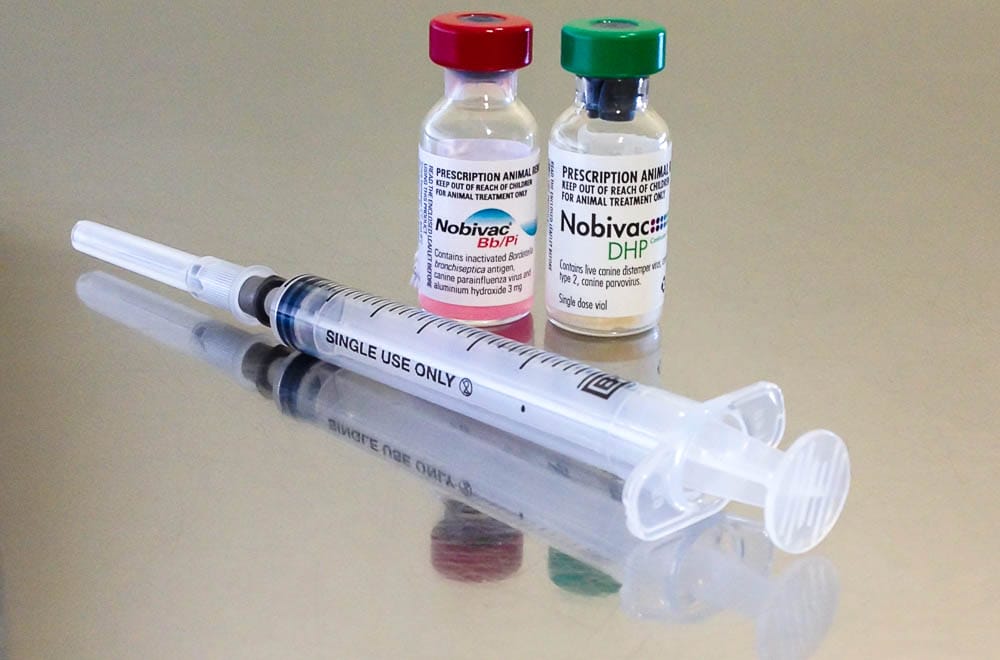
Dhpp, also called da2pp, is a combination vaccine that immunizes dogs for four diseases. The first vaccine can be administered to puppies as young as 6 weeks old and several boosters will be given for the several months after the initial injection, as well as a yearly booster. This is often referred to as simply the distemper shot.
Neurologic symptoms are the most typical dhlpp vaccine response seen in dogs. Vaccines against rabies virus, bordetella spp, coronavirus, and lyme borrelia were administrated concomitantly to some dogs. In actuality, this combination vaccine shot is protecting your dog from 4 different diseases.
The dhlpp vaccination is a dog vaccination made up of five components which fight against; Feeling “off” the most common vaccine reactions in dogs are lethargy and soreness, which may or may not be combined with a mild fever. The results revealed that, by vaccination alone, working dogs were not fully protected against leptospirosis and could pose a risk to dog handlers.
Common vaccine reactions in dogs. Measles vaccine in pups has been reported to trigger damage to the nervous system rarely. It is incredibly important that you maintain a proper dog vaccination schedule according to recommendations by your veterinarian.
The core vaccines include the dhlpp (distemper, hepatitis, leptospirosis, parvo, and parainfluenza). Your veterinarian can recommend whether the dhlpp vaccine, or another combination of vaccines, is right for your dog. The acronym means distemper, hepatitis, parainfluenza, and parvovirus.
In the recently vaccinated dogs, combination vaccines from various manufacturers against canine distemper, adenovirus type 2, leptospirosis, parainfluenza, and parvovirus (dhlpp) were involved in each case. Your pup should receive a booster shot every year for her first 3 years. Dog less than three (3) months:
Canine distemper, infectious hepatitis, canine parainfluenza virus and parvovirus.
The core vaccines include the dhlpp (distemper, hepatitis, leptospirosis, parvo, and parainfluenza). This first set is completely optional and many vets agree that it is not required by any means.
Nike Combat Boot Bordetella Vaccine For Dogs
Less than three (3) months:
Bordetella vaccine schedule. Schwartz, the bordetella vaccine for dogs consists of an initial vaccination as well as a booster to be administered every six months if needed. Pertussis, also known as whooping cough, is a highly contagious respiratory infection caused by the bacterium bordetella pertussis. Your pup will also need a rabies vaccination, which is usually around $15—20.
Vaccines are available that can help prevent whooping cough, also known as pertussis. A puppy needs a second dose of the bordetella vaccine two to four weeks after the first one. The bordetella vaccine is given as a live intranasal vaccine, which means the vaccine is squirted into the kitten’s nose.
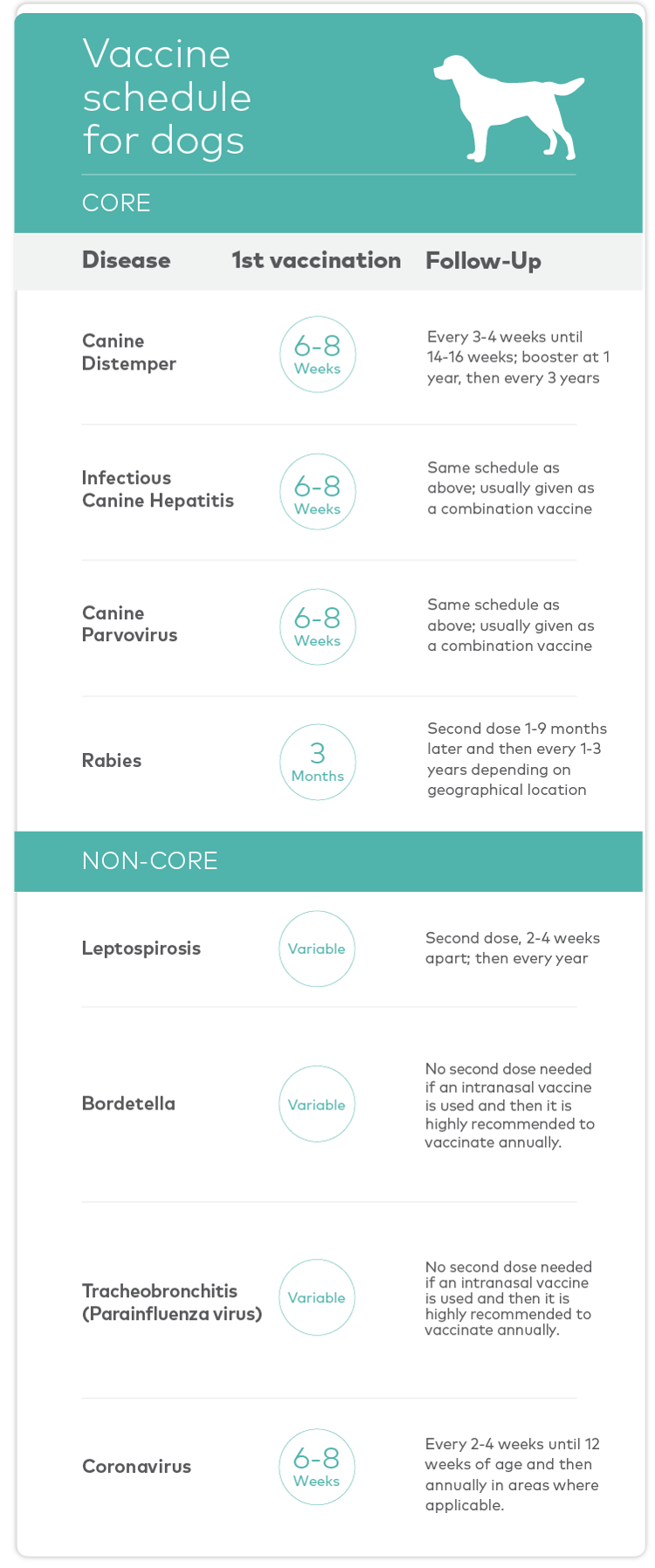
Although the recommended schedule for core vaccines such as parvo, distemper and adenovirus has changed from a booster once per year to once every three years, recommendations for bordetella remain the same. The following sets of vaccinations should be given three (3) weeks apart beginning at six (6) weeks of age: Puppies need a booster 1 year after completing the initial series, then all dogs need a booster every 3 years or.
As far as any additional boosters, that’s something to discuss with your vet, since it depends on how often your dog might be exposed to bordetella. Bordetella vaccinations are not needed by all dogs, which is why it isn't a core vaccine. Individual swabbing was performed in both nares, left first, and then in the.
Uc davis school of veterinary medicine *it is recommended that dogs be dewormed at the same intervals above. Vets recommended kittens older than 16 weeks of age receive one dose.
Whooping cough is a respiratory disease caused by bordetella pertussis bacteria. The intranasal bordetella vaccine only requires one initial dose and can be given to puppies as young as 3. Vaccination schedules must be initiated in puppies no earlier than 6 weeks, and the core vaccines must be readministered at frequent intervals until 16 weeks as a result of the prolonged inhibitory effects of maternal immunity.
Diphtheria, tetanus, and pertussis (dtap) vaccines. At least 3 doses, given between 6 and 16 weeks of age. In some cases, a vet may even recommend two sets of bordetella.
In general, healthy adult dogs that come into contact with large groups of other dogs should have a bordetella vaccine annually, and boarding facilities may require a. In 2018, there were more than 151 000 cases of pertussis globally. Two kinds of vaccines used today help protect against whooping cough, both of which also protect against other diseases:
Dhlpp, bordetella * (bordatella to be given beginning at eight (8) weeks of age.) dhlpp, bordetella, rabies *. Furthermore, the vaccinated kittens cleared the challenge bacteria more quickly than the controls, resulting in a reduction of 80 per cent on days 15 and 18 after challenge and a reduction of 99 per cent on days 22 and 29 after challenge. If your dog attends doggy daycare, goes to the dog park or groomer or is staying at a kennel while you are out of town, he should have this vaccine.the vaccine should be given a minimum of four or five days before your dog enters a kennel or goes to a groomer, and you will need proof of his vaccination.
Only one dose of the in vaccine is required, which is very convenient in a shelter setting, where time and staff are typically in short supply. Pertussis spreads easily from person to person mainly through droplets produced by coughing or sneezing. Puppies can be vaccinated as early as 3 weeks of age with the intranasal vaccine (administered through the nose).
This bordetella shot schedule is courtesy of south hills animal. Healthy dogs who are boarded or visit the groomer occasionally should receive a bordetella booster once per year. Venous blood (for serum), nasal swabs (sterile polyester tipped), and pharyngeal swabs were collected on day 0 prior to vaccination and again 10 to 14 d later.
For adult dogs or puppies older than 16 weeks of age, the intranasal vaccine can be given once, and the injectable vaccine should be given twice, two to four weeks apart. If puppies receive either the intranasal or injectable vaccine prior to 16 weeks, they typically get a booster the following month. For adult dogs bordetella once they’re fully vaccinated as puppies, adult dogs should receive a booster of the bordetella vaccine every 6 to 12 months.
Your dog can first get the parenteral bordetella vaccine at 8 weeks old and requires two initial doses that should be administered between two and four weeks apart. Vaccination of puppies is necessary after weaning as the natural milk immunity is no longer there and they can get the infection. Recently, an increase in reported cases of pertussis in adolescents and adults has been noted in many countries despite high immunisation rates in childre.
The bordetella vaccine is usually administered in weeks 14 to 16, as recommended by veterinarians. Younger cats are more likely to need the vaccine, especially if they live in a situation where they spend time around lots of other cats. Pertussis, or whooping cough, is an infectious disease that is caused by bordetella pertussis, affects all age groups and is vaccine preventable.